
Every core hour goes back into research that couldn’t otherwise happen.
Since 2015, Computing for Humanity has turned donated hardware, international distributed computing, and now —myresearchcloud.ca—into measurable research capacity across Canada and beyond.
Our impact since 2015
As of Q3 2026Projects running on CFH infrastructure
Every donated server and every core hour goes to a specific team, lab or student project. Here's a sample of the research currently running on infrastructure Computing for Humanity has funded or donated.
We're also opening myresearchcloud.ca's Free Tier to new applicants, reviewed on research objective, methodology, dataset, resource needs, and expected outcomes — approved projects will join this roster.
Powering Discovery — NCSA Campus Cluster Partnership
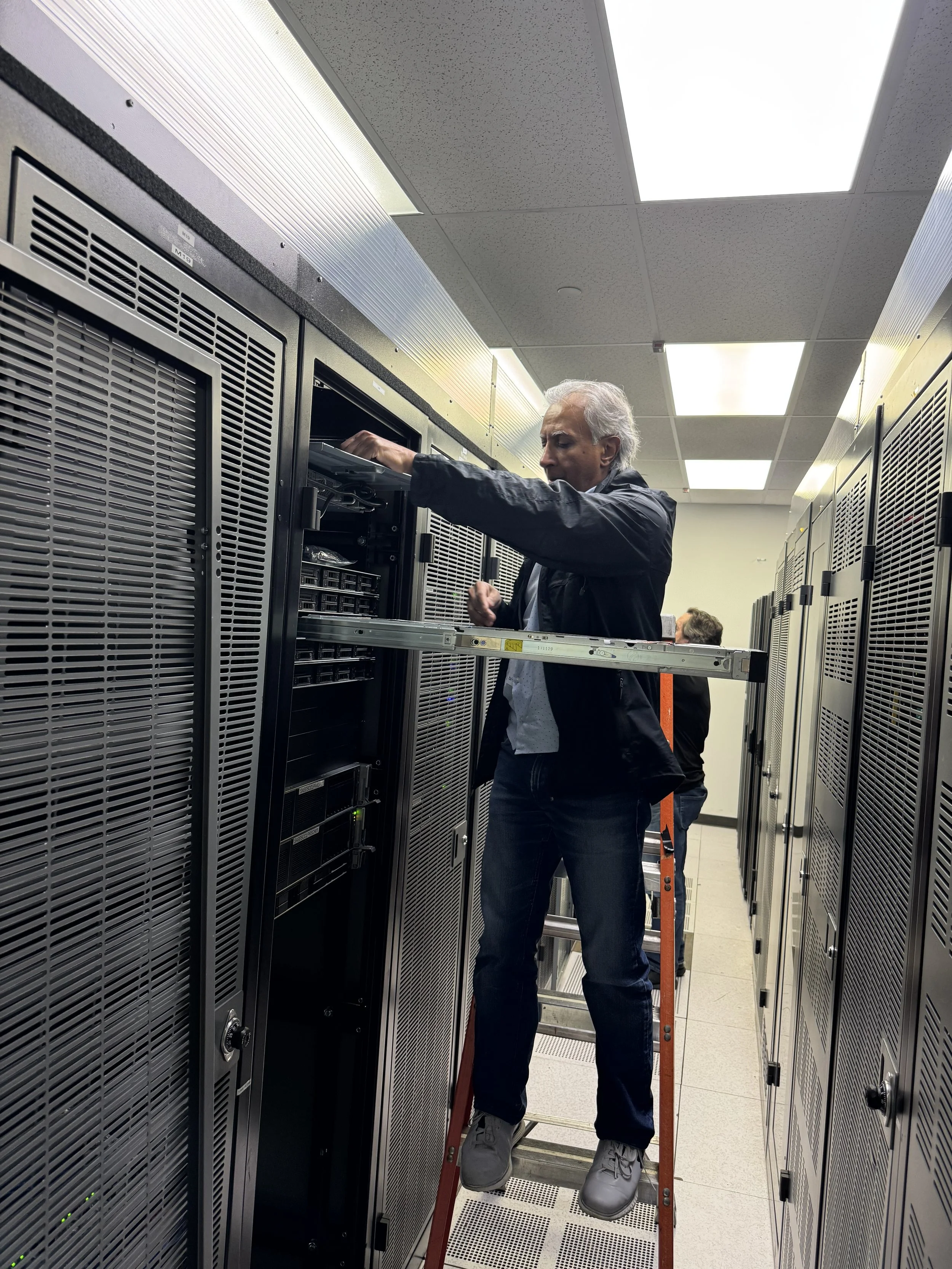
NCSA, University of Illinois Urbana-Champaign58 donated GPU servers now support 36+ researchers working across climate modelling, quantum science, physics and AI.
Mapping Cancer Markers
World Community GridDedicated CFH servers run around the clock to process the genetic data behind biomarker research for earlier cancer detection.
Africa Rainfall Project
World Community GridCFH's dedicated computing capacity powers rainfall-forecasting models that support agricultural planning and disaster preparedness across Africa.
AI-Enabled Environmental Research
CEOAS, Oregon State UniversityDonated GPU servers support three research labs studying ocean health, marine ecosystems and environmental risk.
Expanding the Frontenac Supercomputer
Centre for Advanced Computing, Queen's UniversityA 10% capacity expansion and dedicated onboarding staff extend supercomputing access to researchers across Canada.
Carleton Biomedical Informatics Co-Laboratory (CUBIC)
Carleton UniversityCompute, GPUs and secure storage power AI research spanning neonatal monitoring to protein structure prediction.
Research Computing and Development Cloud (RCDC)
Carleton University, Research Computing ServicesAn OpenStack research cloud, built on refurbished hardware, expands computing access for underfunded Canadian researchers.
NeuroLibre
McGill UniversityCompute and storage support keep this open, reproducible neuroscience publishing platform running.
Canadian Open Neuroscience Platform (CONP)
Ludmer Centre, McGill UniversityInfrastructure support connects neuroscience datasets and tools across Canadian institutions without moving the underlying data.
Building an AI Environment from the Ground Up
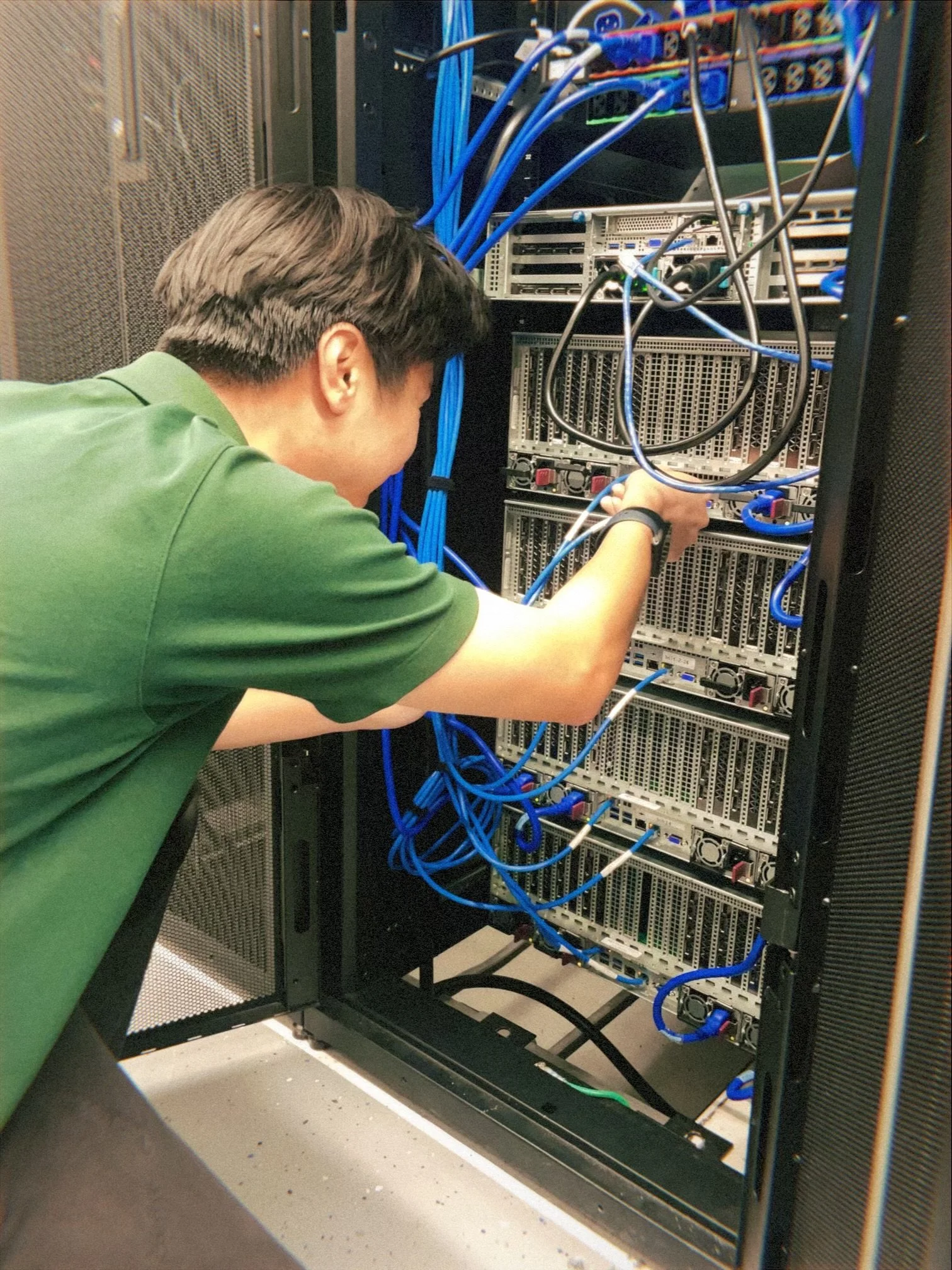
Cal Poly PomonaFour donated servers let students and faculty build and manage a full AI environment from the ground up.
AI Research on the Digital Divide
Indiana UniversityInfrastructure support underpins AI research into digital health equity in underserved communities.
Server Support for a Science Olympiad Team
Boca Raton Community High School, FLTwo donated servers gave this Florida high school's Science Olympiad team university-grade computing power.
Rosetta@home
Institute for Protein Design, University of WashingtonCFH-supported compute powers Rosetta@home, the crowd-computing platform behind Dr. David Baker's protein structure and design research. The lab relies on it for nearly all of its protein design work, including cancer immunotherapies and tumor-targeting proteins.

Help further research for a better tomorrow.
Be a part of our community!
Subscribe to our newsletter to get the latest on our projects and partnerships, and how we’re making a difference.